 تخطي إلى المحتوى
A فلتر كيس هو نوع من المرشحات التي تستخدم أكياس الترشيح كعنصر تصفية. وهو ذو هيكل بسيط وتكلفة منخفضة نسبياً، وهو نظام ترشيح يستخدم على نطاق واسع.
1) مبيت المرشح. المبيت عبارة عن مساحة محكمة الغلق تتحمل ضغط النظام. يوفر مساحة للسائل العامل وأكياس المرشح ويوجه تدفق السائل.
2) سلة دعم كيس الترشيح. عادةً ما تكون سلة الدعم عبارة عن أسطوانة شبكية مثقبة ذات نسبة فتح كبيرة. وتستخدم لدعم أكياس المرشح ومنعها من التشوه أو التلف تحت ضغط السوائل.
3) كيس الفلتر. كيس المرشح هو المكون الأساسي للمرشح. وهو يحبس المواد الصلبة في السائل داخل غلافه بينما يسمح بمرور السائل من خلاله، مما يحقق الترشيح المستمر.

كيف تعمل فلاتر الأكياس؟
تستخدم المرشحات الكيسية عادةً اتجاه الترشيح من المدخل إلى المخرج. عندما يدخل السائل إلى المبيت من خلال مدخل المرشح، فإنه يملأ ببطء داخل كيس المرشح. يحجز الهيكل القماشي لكيس المرشح المواد الصلبة الأكبر من دقة الترشيح المطلوبة على سطحه، بينما يمر السائل النظيف عبر كيس المرشح ويتدفق إلى المصب عبر مخرج المرشح.
عندما تتراكم الملوثات الصلبة في كيس المرشح ويرتفع الضغط الداخلي إلى حد معين، يمكن إيقاف الترشيح لاستبدال كيس المرشح. يمكن أن يقلل هيكل الوحدة المزدوجة (وحدة احتياطية واحدة، والتبديل عبر الإنترنت) من وقت التوقف عن العمل وتسهيل عمليات الاستبدال والصيانة.
أحجام أكياس الفلتر القياسية الشائعة:
طراز كيس الفلتر | القطر مم | الطول مم | معدل التدفق الموصى به م3/ساعة | مساحة الترشيح (م2) |
#1 | 180 | 450 | 20 | 0.25 |
#2 | 180 | 810 | 40 | 0.5 |
#3 | 108 | 230 | 60 | 0.09 |
#4 | 108 | 380 | 12 | 0.16 |
بناءً على وسائط الترشيح المختلفة، يمكن تقسيم أكياس الترشيح إلى:
1. أكياس الترشيح من الأقمشة غير المنسوجة (لباد الترشيح). وتشمل المواد الشائعة البوليستر PE، والبولي بروبيلين PP، والبولي تترافلوروإيثيلين PTFE. تتراوح دقة الترشيح من 1 ميكرون إلى 100 ميكرون.
2. أكياس ترشيح شبكية منسوجة أحادية الشعيرات. تشمل المواد الشائعة البوليستر البولي إيثيلين والبولي بروبيلين PP والبولي بروبيلين PP، والخيوط الأحادية من النايلون. يمكن غسل الشبكة المنسوجة أحادية الشعيرات مرارًا وتكرارًا وغالبًا ما تستخدم للترشيح الخشن منخفض الدقة. تتراوح دقة الترشيح من 50 إلى 1000 ميكرون.
3. أكياس ترشيح شبكية سلكية معدنية. تستخدم عادة شبكة منسوجة معدنية 316L. يمكن غسلها مرارًا وتكرارًا وهي مقاومة للحرارة. تتراوح دقة الترشيح من 50 إلى 1000 ميكرون.
استنادًا إلى شكلها الهيكلي، تشمل مرشحات الأكياس بشكل أساسي الأنواع التالية:
1. مرشح كيس واحد. معدات ترشيح موحدة يمكن نشرها بسرعة في نظام الترشيح. يتوفر أيضًا تخصيص مواقع وأحجام المداخل والمخارج لتلبية الاحتياجات الفردية.
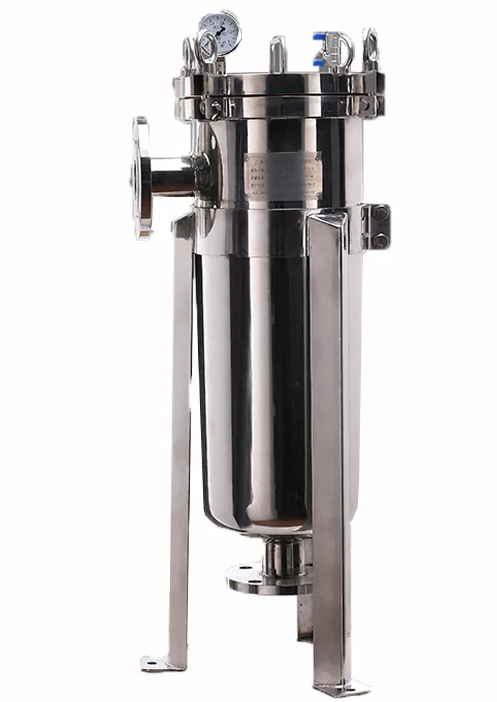
2. مرشحات متعددة الأكياس. الفلاتر متعددة الأكياس مناسبة للتطبيقات ذات معدل التدفق العالي وعادة ما يتم تكوينها من 2 إلى 24 كيسًا. التخصيص متاح أيضًا لمزيد من أكياس الترشيح.

3. مرشحات الأكياس البلاستيكية PP/PVDF. بالمقارنة مع مرشحات الأكياس البلاستيكية التقليدية المصنوعة من الفولاذ المقاوم للصدأ، يمكن لمرشحات الأكياس البلاستيكية PP/PVDF أن تتحمل تركيزات أعلى من المحاليل الحمضية والقلوية، مما يجعلها أكثر ملاءمة لبيئات الترشيح القاسية.

