Skip to content
Maille de tungstène
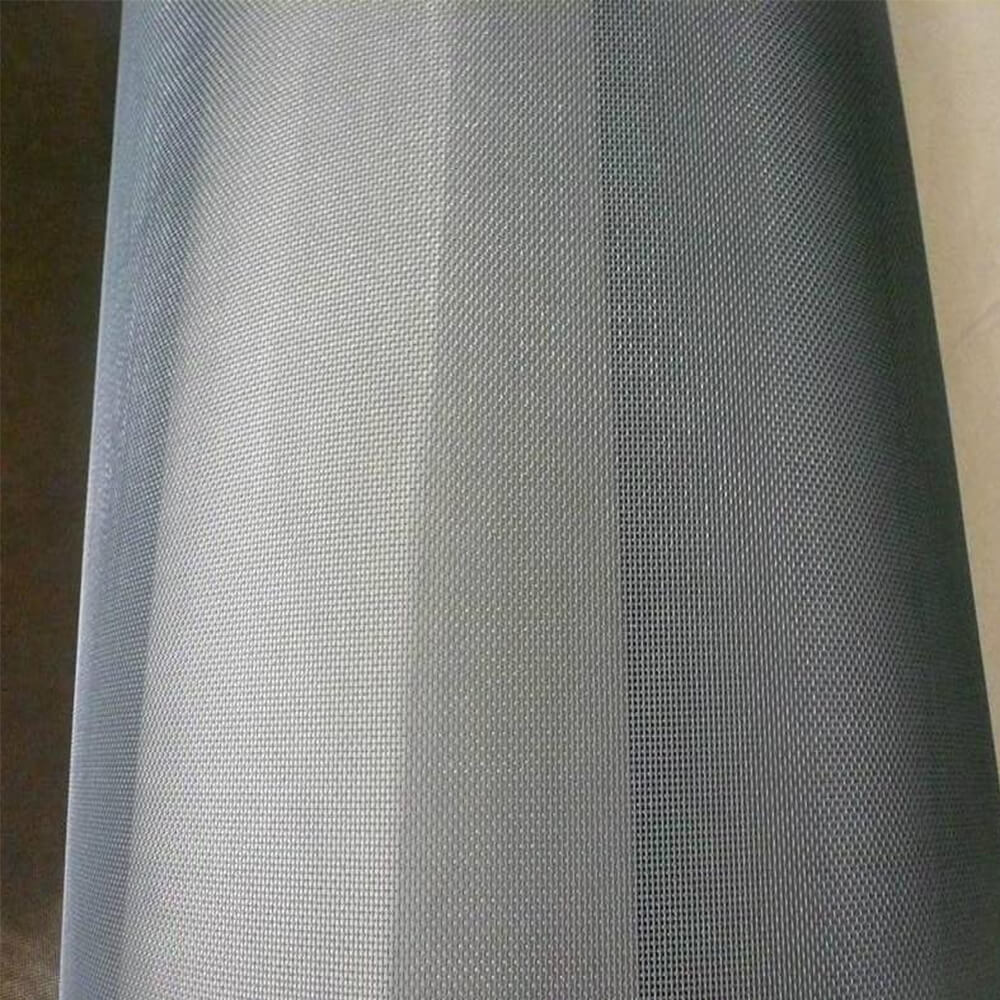
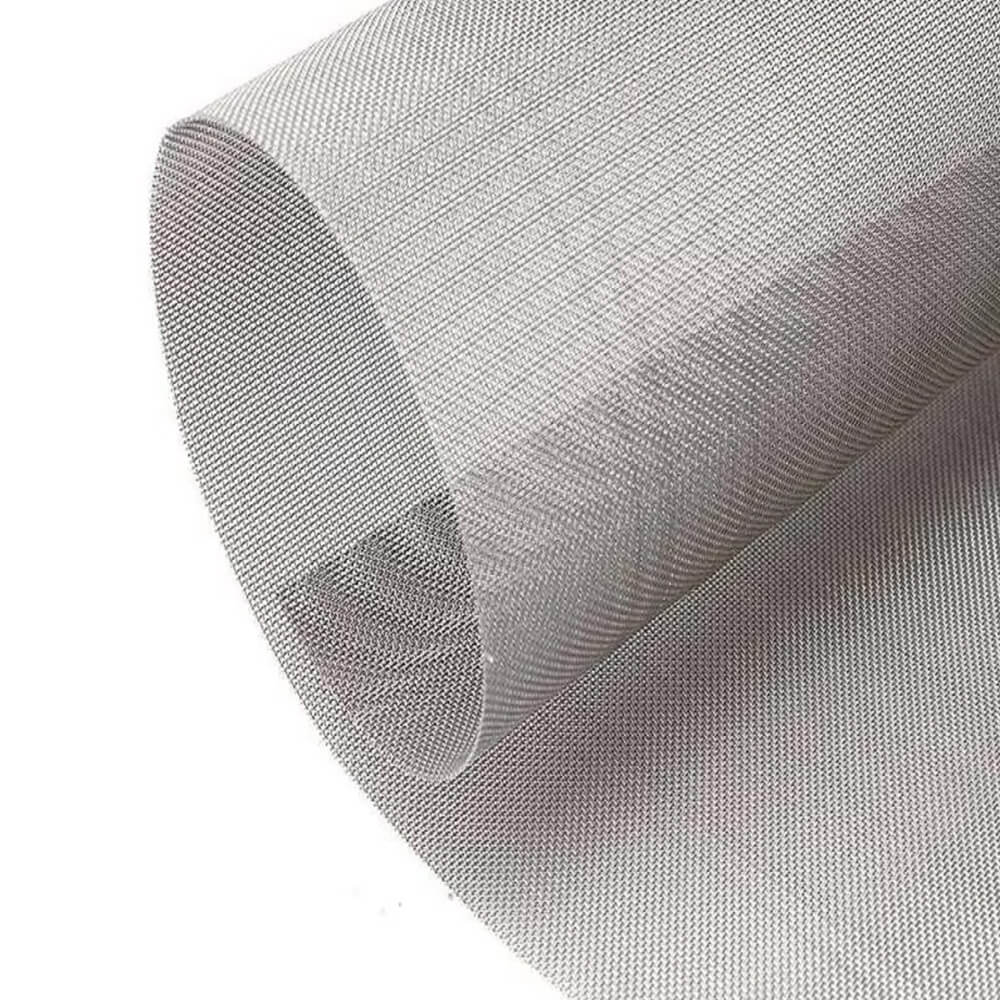
Tungsten mesh is a high performance material known for its exceptional strength, high melting point and resistance to extreme environments. It is suitable for applications where most other metals (such as steel, titanium or zirconium) would fail due to high temperatures, wear or corrosion.
Paramètres techniques
| Type | Composition | Key Properties | Available Product Forms |
|---|---|---|---|
| Pure Tungsten (W) Mesh | ≥99.95% Tungsten | Highest melting point (3,422 °C), brittle when unprocessed | Woven wire cloth, crimped woven mesh |
| Tungsten Alloys (W-Ni-Fe, W-Re) | Tungsten with Nickel-Iron or Rhenium | Improved machinability and ductility, better toughness at high temperatures | Woven wire cloth, crimped woven mesh |
Note : Les paramètres ci-dessus peuvent être optimisés et personnalisés en fonction des conditions de travail.
Comparison: Tungsten Mesh vs Titanium Mesh vs Zirconium Mesh vs Stainless Steel Mesh
| Property | Maille de tungstène | Maille de titane | Maille de zirconium | Stainless Steel Mesh |
|---|---|---|---|---|
| Melting Point | 3,422 °C | ~1,668 °C | ~1,852 °C | ~1,400 °C |
| Density | 19.25 g/cm³ | 4.5 g/cm³ | 6.5 g/cm³ | 8 g/cm³ |
| Corrosion Resistance | Good (except in strong oxidizers) | Excellent | Best (especially in acidic environments) | Moderate |
| Biocompatibility | Poor (toxic oxides) | Excellent | Good | Moderate (risk of nickel release) |
| Relative Cost | Very High | Moderate | High | Low |
Tungsten mesh type:
– Pure tungsten (W) – Has the highest melting point and is brittle when untreated.
– Tungsten alloys (W-Ni-Fe, W-Re) – Improve machinability and ductility.
Available product forms:
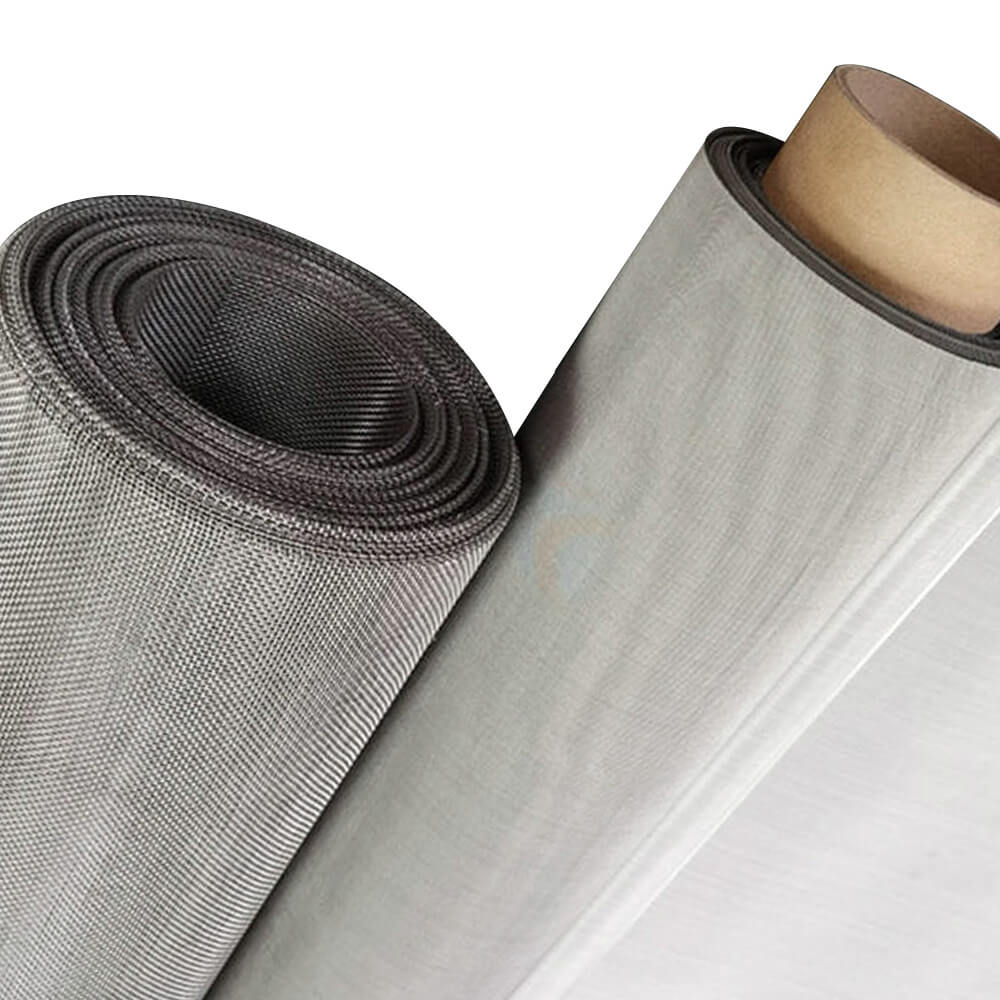
Tungsten wire cloth and crimped braided mesh
Advantages of tungsten mesh
Best suited for ultra-high temperatures (no competition above 3,000°C), but requires inert gas shielding.
Excellent radiation shielding (better than lead or steel).
Extremely durable in abrasive/corrosive environments.
Disadvantages:
Very expensive (due to machining difficulties).
Very rigid at room temperature when thick, but very flexible when thin.
Limited oxidation resistance, especially at high temperatures in open environments.
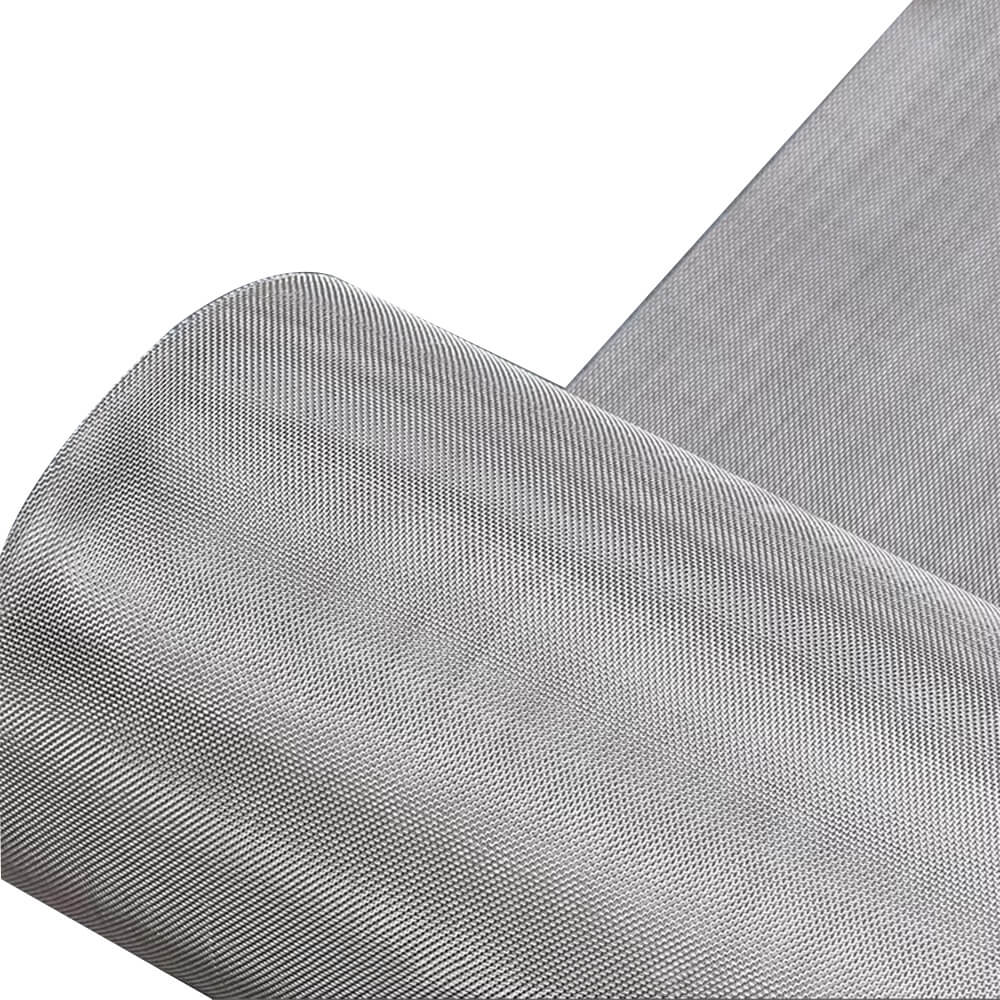
Caractéristiques et avantages du produit
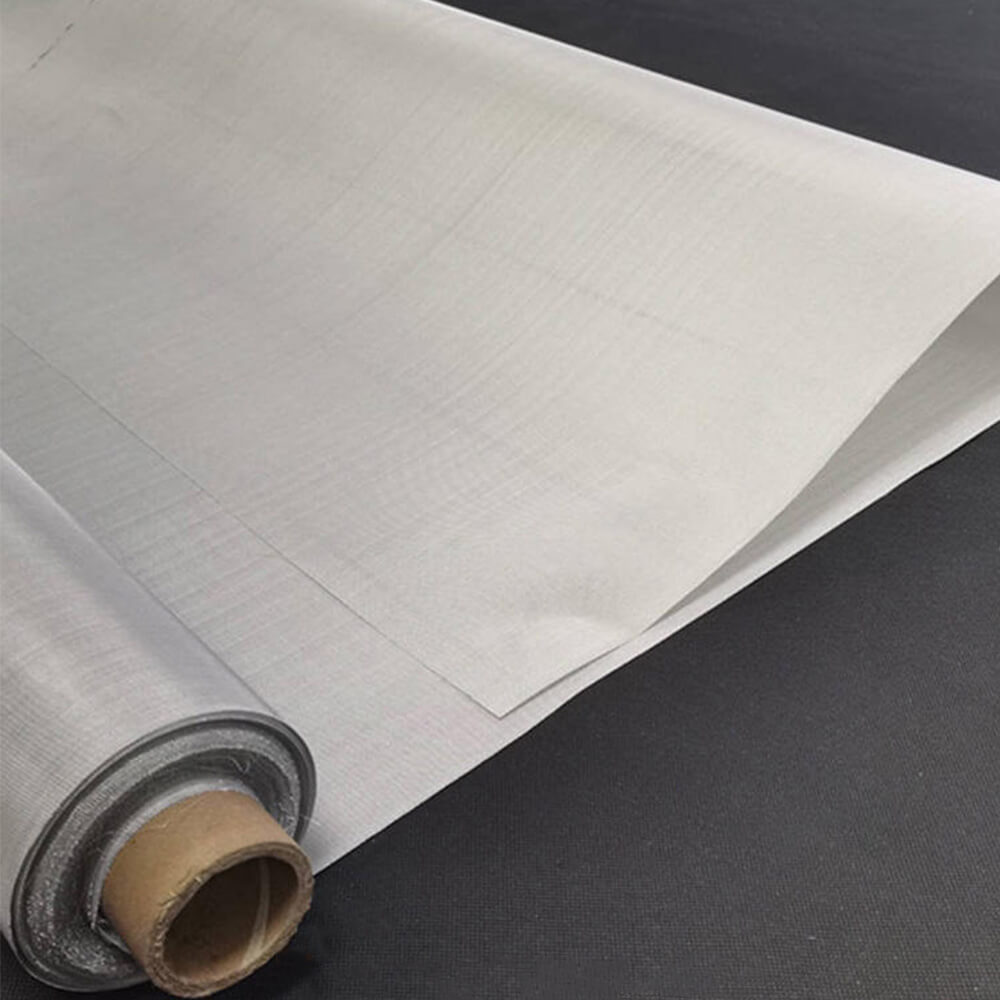
1. Highest melting point of any metal (3,422°C / 6,192°F)
– Maintains structural integrity in extremely hot environments (e.g., furnaces, plasma applications).
2. Extremely hard and wear-resistant
– Comparable to boron carbide (hardness ~7.5 Mohs), well-suited for abrasive environments.
3. High density (19.25 g/cm³)
– Used in radiation shielding (X-ray, gamma ray) and ballistics.
4. Excellent corrosion resistance
– Resistant to most acids (except strong oxidizers like nitric acid/hydrogen peroxide).
5. Good electrical and thermal conductivity
– Used in electrodes, heating elements, and electronic components.
6. Low thermal expansion
– Retains shape under rapid temperature changes (e.g., aerospace, semiconductor tooling).
Common applications of tungsten mesh:
- High-Temperature and Vacuum Environments
– Furnace Components (Sintering, Heat Treatment).
– Plasma and Fusion Reactor Shielding (ITER, Nuclear Research).
– Rocket Nozzles and Thermal Protection Systems. - Electronics and Semiconductors
– Heating Elements (High-Temperature Furnaces).
– Sputtering Targets (Thin Film Deposition in Chip Manufacturing).
– Electron Emitters and X-Ray Tubes. - Filtration and Screening for Harsh Conditions
– Molten Metal Filtration (Aluminum, Steel Castings).
– Chemical Processing (Acid-Resistant Filters). - Radiation Shielding
– Medical X-ray and Gamma-ray Shielding.
– Nuclear Reactor Components. - Defense and Aerospace
– Missile Components (Heat Shields).
– Armor-Piercing Applications (Due to High Density)
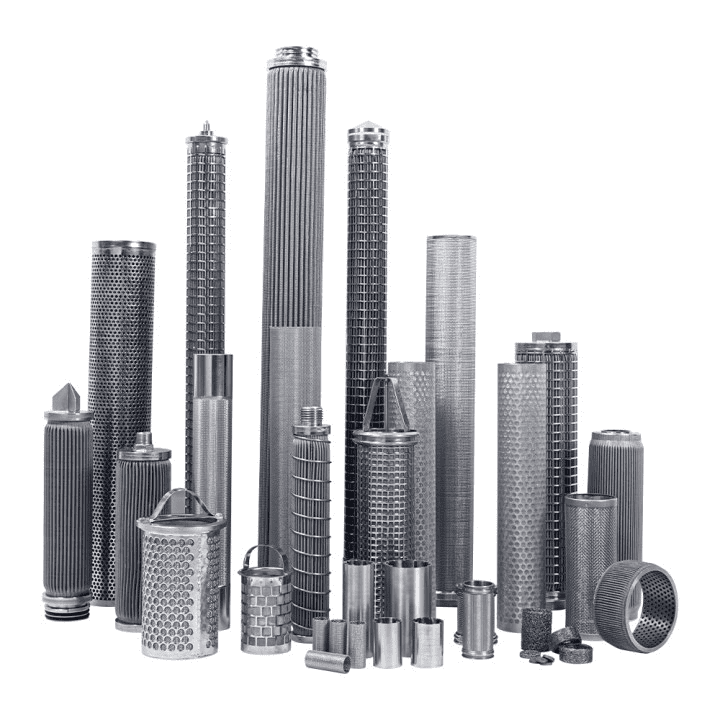
élément filtrant
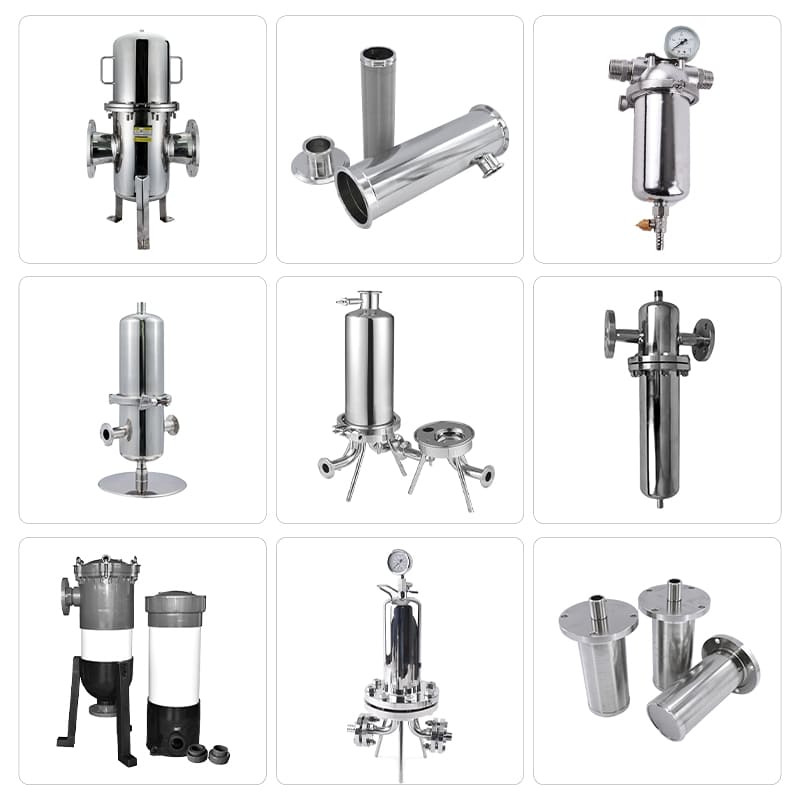
filtres
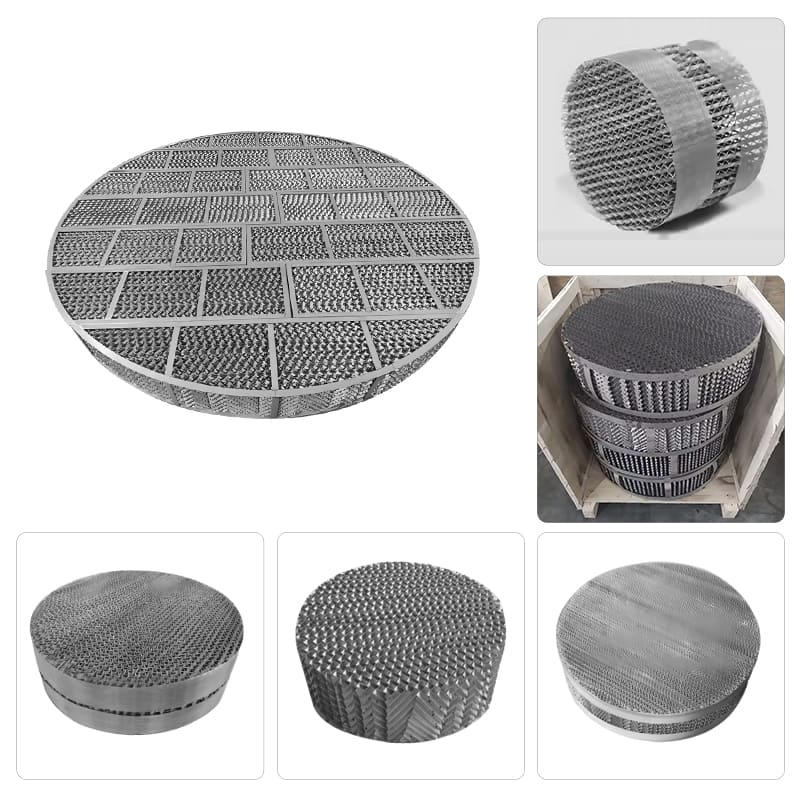
Emballage en treillis métallique
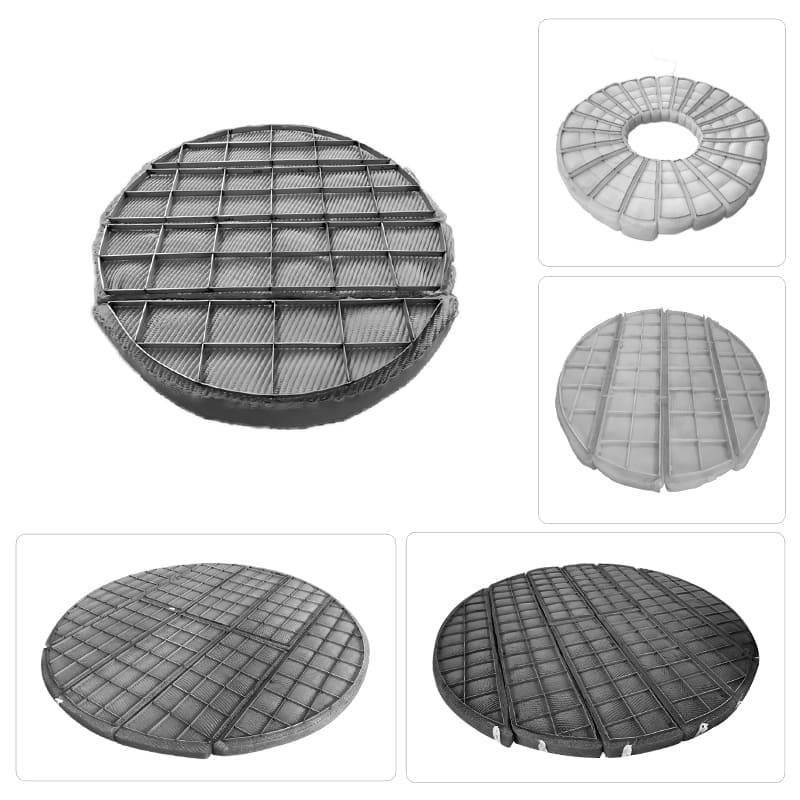
tapis de désembuage en treillis métallique