コンテンツへスキップ
レーザー溶接機
Laser technology, innovating industry. Enhance production efficiency and precisely handle every task through laser welding, marking, and cleaning technologies. Whether it’s high-precision welding or clear marking, we provide reliable industrial solutions.
技術パラメーター
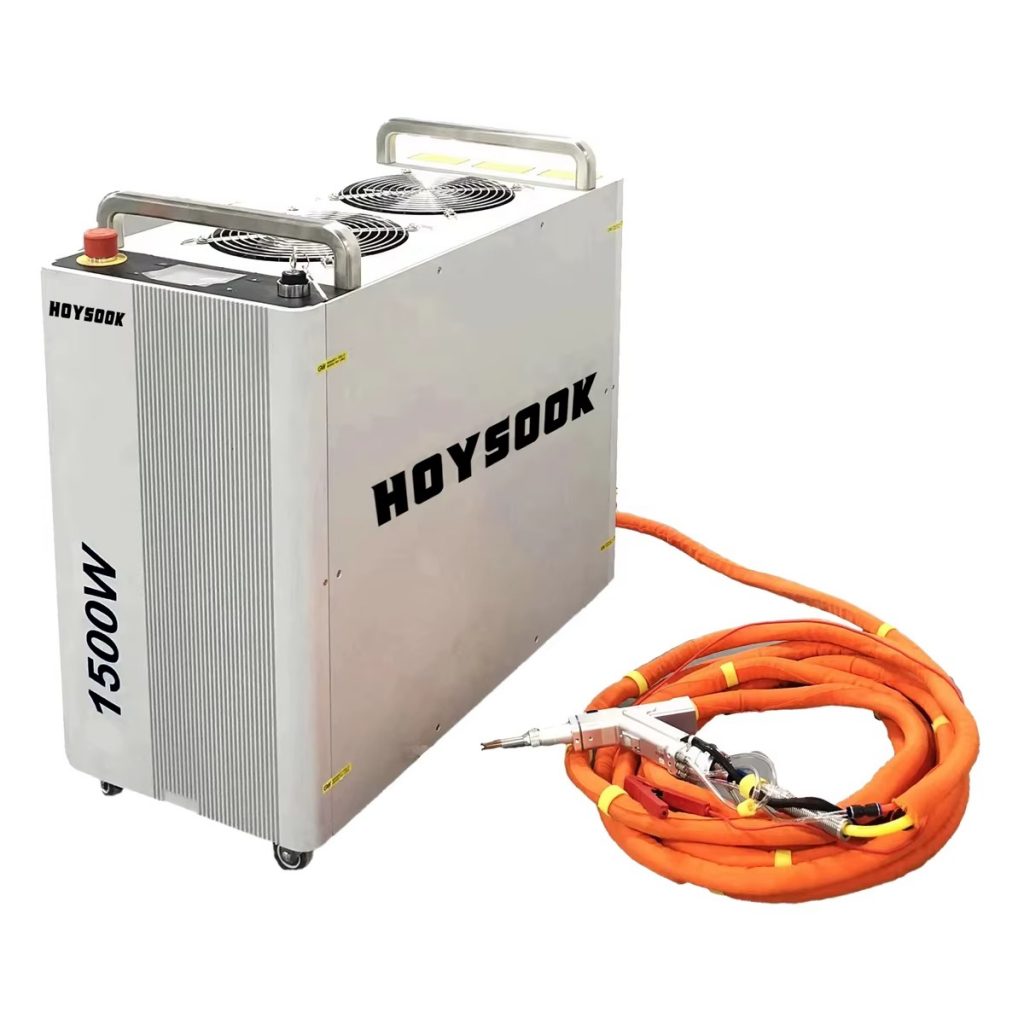
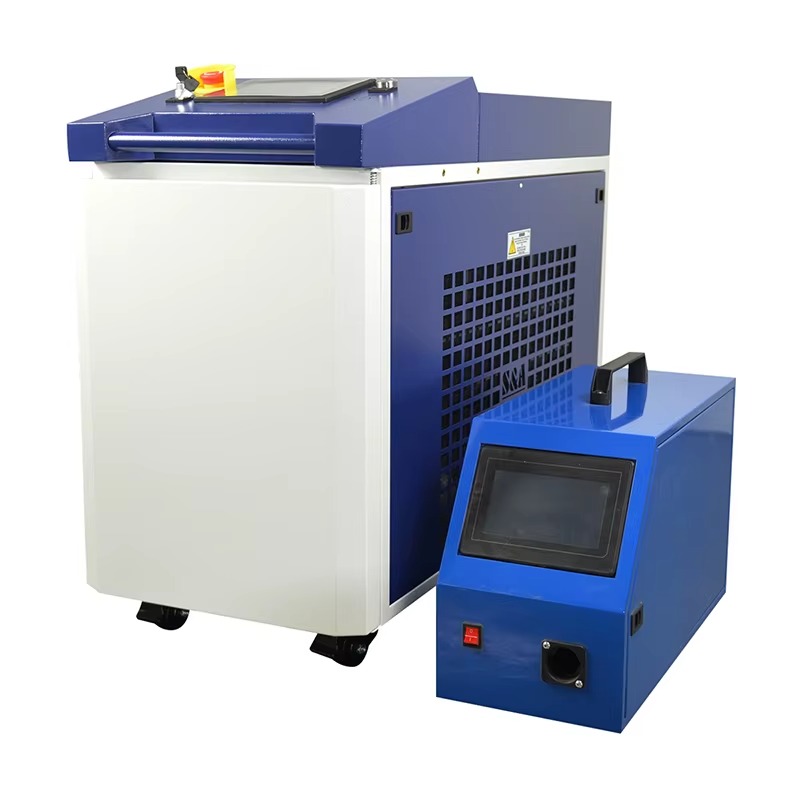
name | Handheld laser welding machine |
laser source | IPG / Raycus / Max/GW |
Voltage | 220V /380V |
Cable length | Standard 10m, possible: 15m |
Laser power | 1000W,1500W |
wavelength | 1064/1070 nm |
Working principle | continuous or modulated |
speed range | 0 ~ 120 mm/s |
water cooler | Industrial constant temperature water chiller |
Working environment temperature | 15 ~ 35 ℃ |
Humidity of the working environment | <70% No condensation |
Weld thickness/depth | 0.5-3 mm |
注:上記のパラメータは、作業条件に応じて最適化およびカスタマイズすることができます。.
製品の特徴と利点
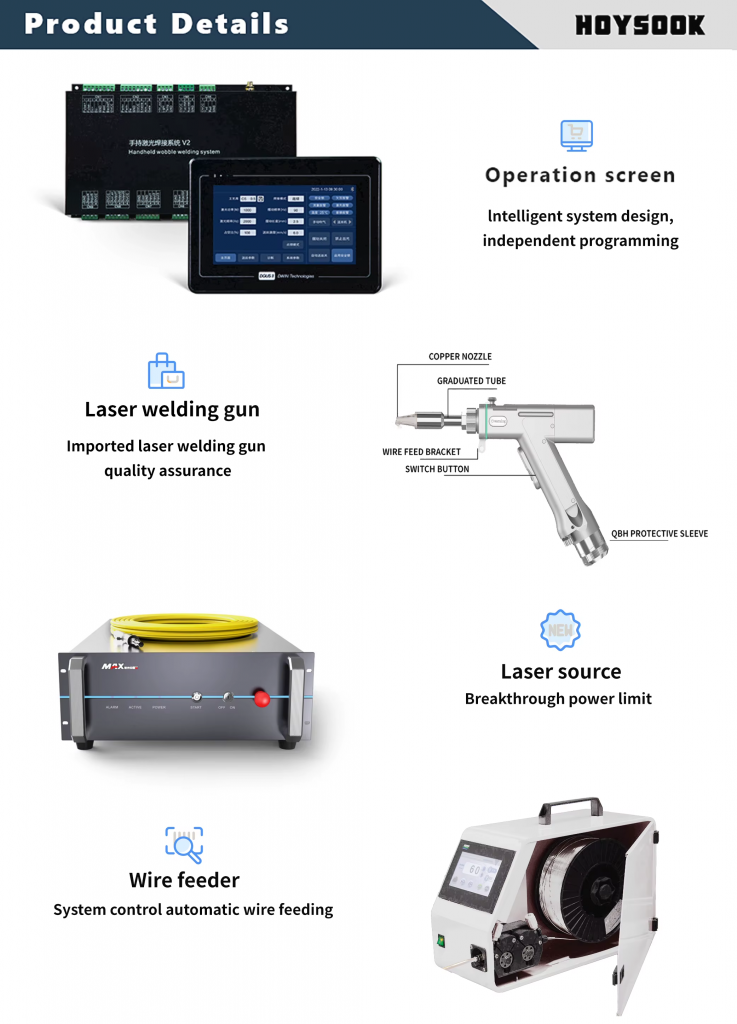
Laser welding machines are precision welding devices that utilize high-energy-density laser beams as a heat source, widely used in metal processing, mold repair, electronic components, medical devices, and automotive manufacturing industries.
Compared to traditional welding methods, laser welding offers advantages such as faster welding speeds, smoother welds, less deformation, and no need for post-processing.
Our laser welding machines support automated control and can be equipped with robotic arms for unmanned continuous production.
Whether you need a handheld, desktop, or automated laser welding machine, we can provide you with efficient and stable customized solutions.
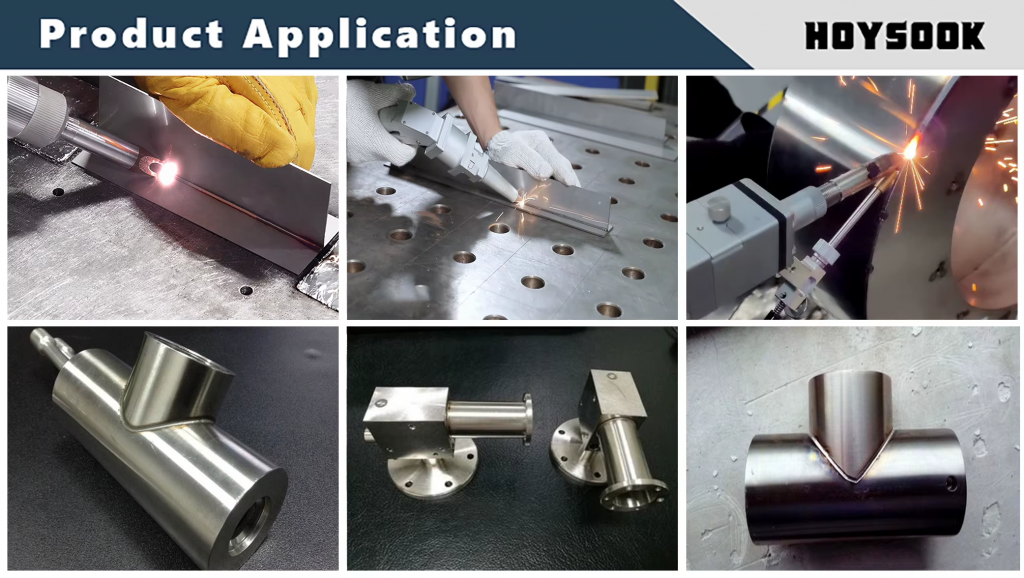
製品応用産業
- Metal Processing Industry
- Home Appliance Manufacturing
- Automotive Parts Industry
- Stainless Steel Products & Furniture Industry
- Sheet Metal & Advertising Signage Industry
- Precision Equipment & Instrument Manufacturing
よくあるご質問
Laser welding offers high precision, deep penetration, minimal thermal distortion, and clean welds with little spatter. It's ideal for automated, high-speed production.
Consider the material, thickness, weld strength, and production speed. Fiber lasers are great for thin materials, while CO2 lasers work better for thicker ones. Also, factor in power, spot size, and automation features.
Routine maintenance includes cleaning lenses and mirrors, checking the cooling system, inspecting the laser source, and ensuring the gas supply and power settings are correct.
Laser welding works on most metals like steel, aluminum, and titanium. Some materials, like copper, may need special adjustments due to their high reflectivity.
Costs vary based on laser type, power usage, and frequency. Fiber lasers are more energy-efficient. Other costs include consumables and maintenance, but laser welding can reduce long-term expenses with higher productivity.