Hastelloy wire mesh
Hastelloy wire mesh Read More »
 Skip to content
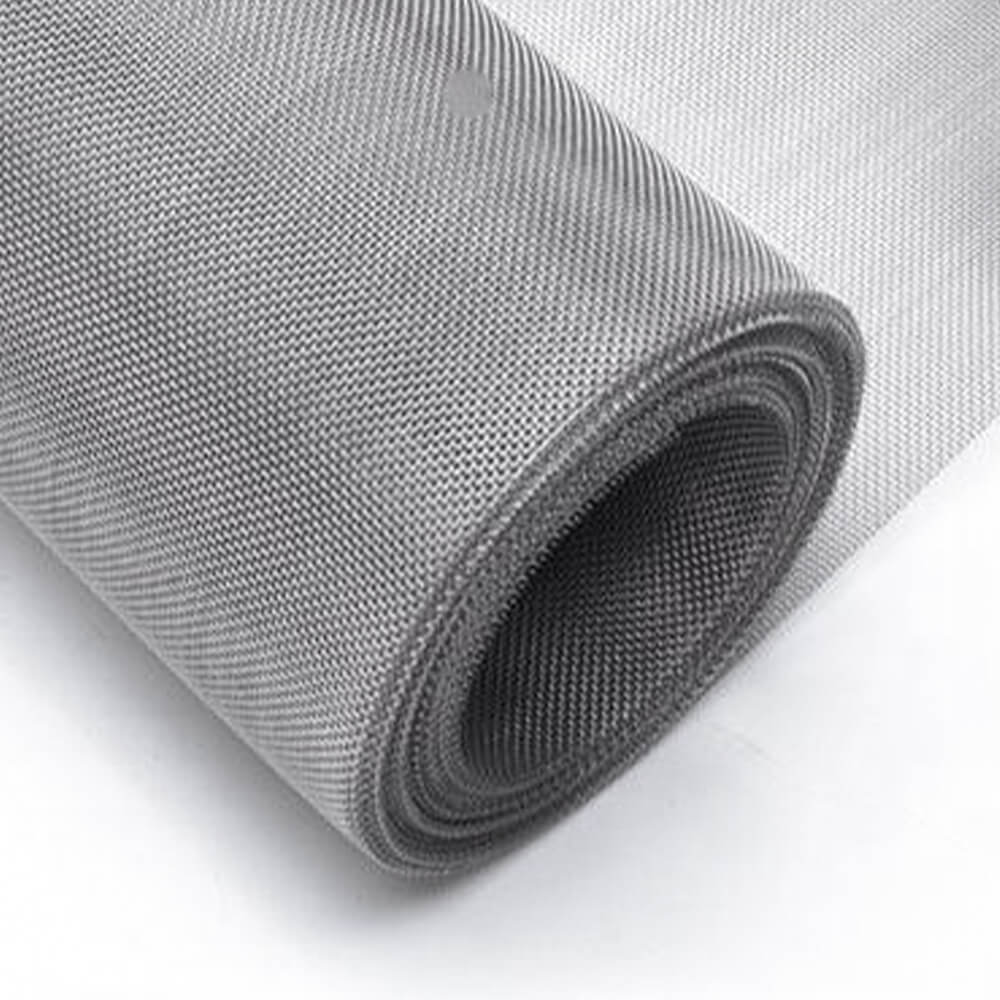
Duplex Stainless Steel Mesh What is duplex stainless steel and what are its characteristics? The secret of duplex stainless steel lies in its unique “dual-phase” structure. This material has approximately 50% ferrite phase and 50% austenite phase in its solid solution structure. For a typical duplex stainless steel, the content of the less abundant phase must
The Characteristics and Applications of Duplex Stainless Steel Mesh Read More »
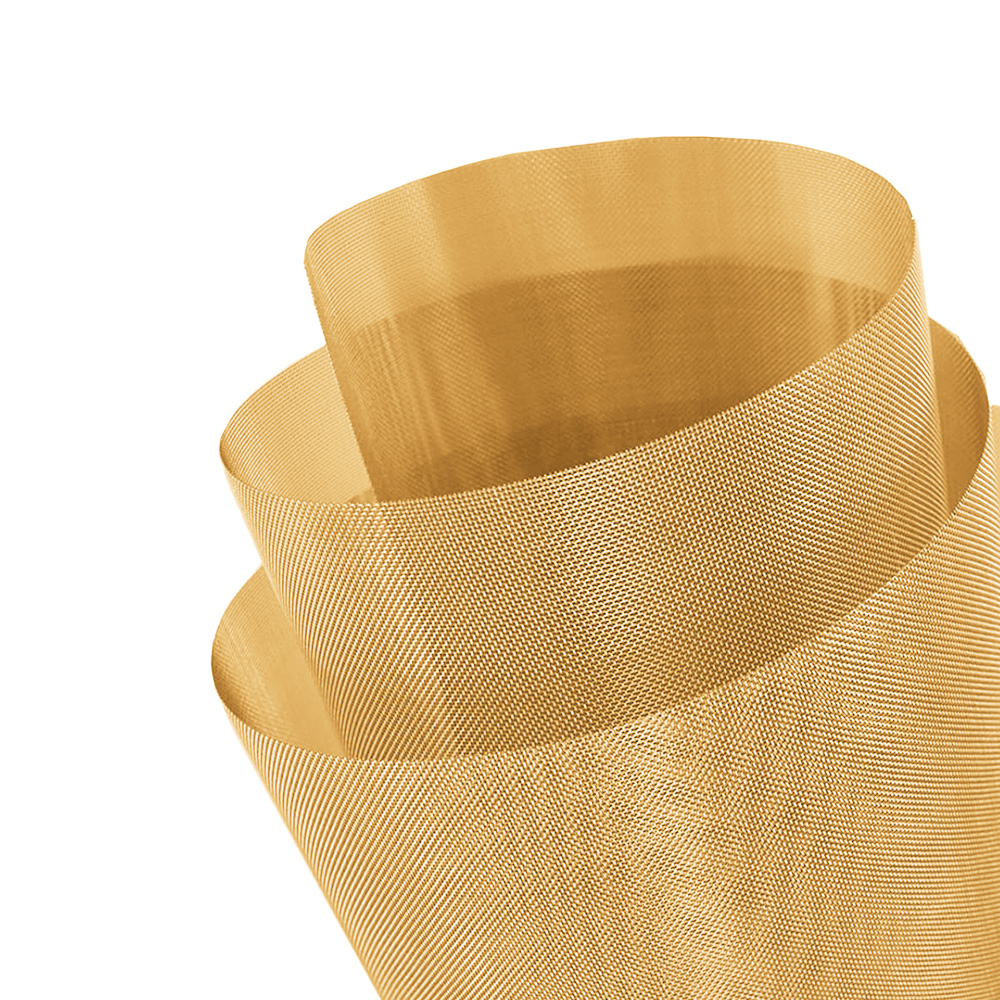
Copper mesh Copper mesh is a metallic mesh material woven from copper wires, possessing properties such as electrical conductivity, thermal conductivity, non-magnetic properties, wear resistance, and corrosion resistance. Copper mesh is divided into three categories based on its material: Brass mesh: Contains 65% copper and 35% zinc, with a mesh count of 10-100 meshes per
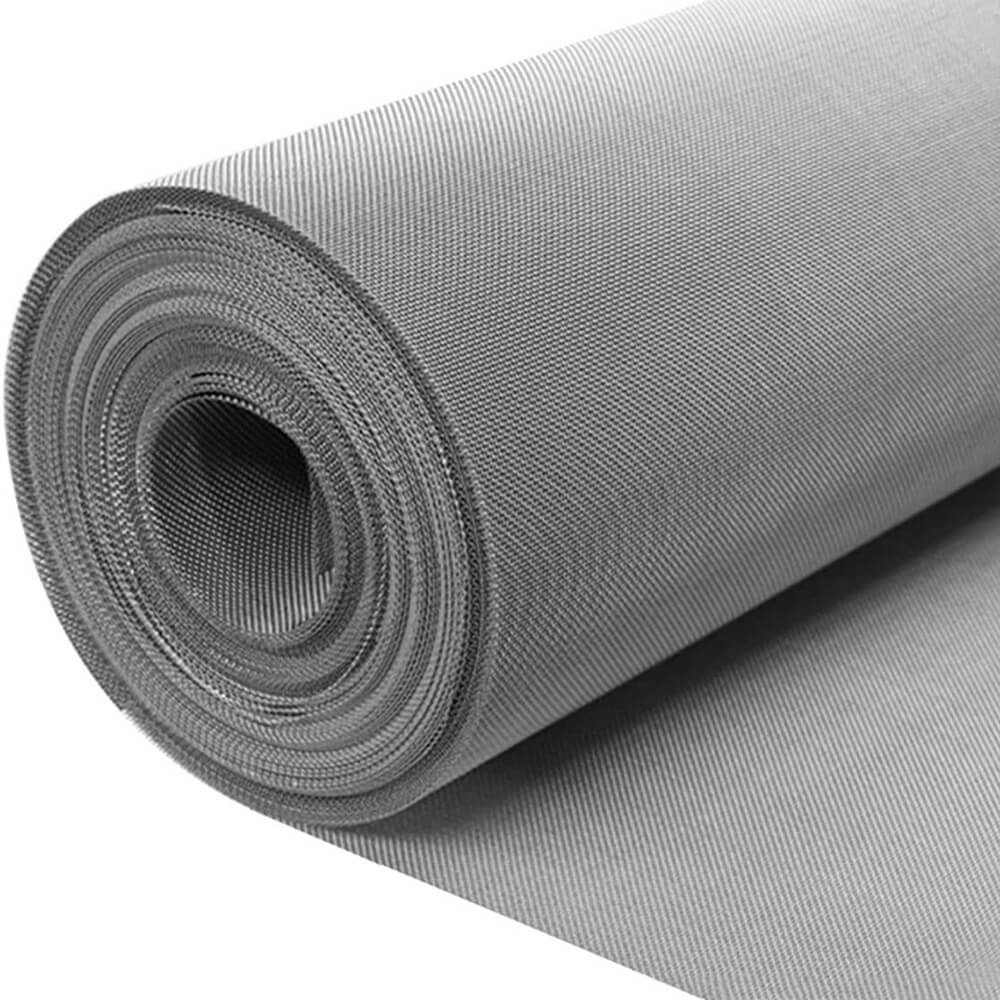
Stainless steel wire mesh Stainless steel wire mesh is a metal product made from stainless steel wire, woven into a uniform mesh pattern using a weaving machine. It possesses the advantages of stainless steel, such as corrosion resistance, high temperature resistance, high strength, and cost-effectiveness, and also serves functions such as filtration, screening, protection, and
Stainless steel wire mesh Read More »
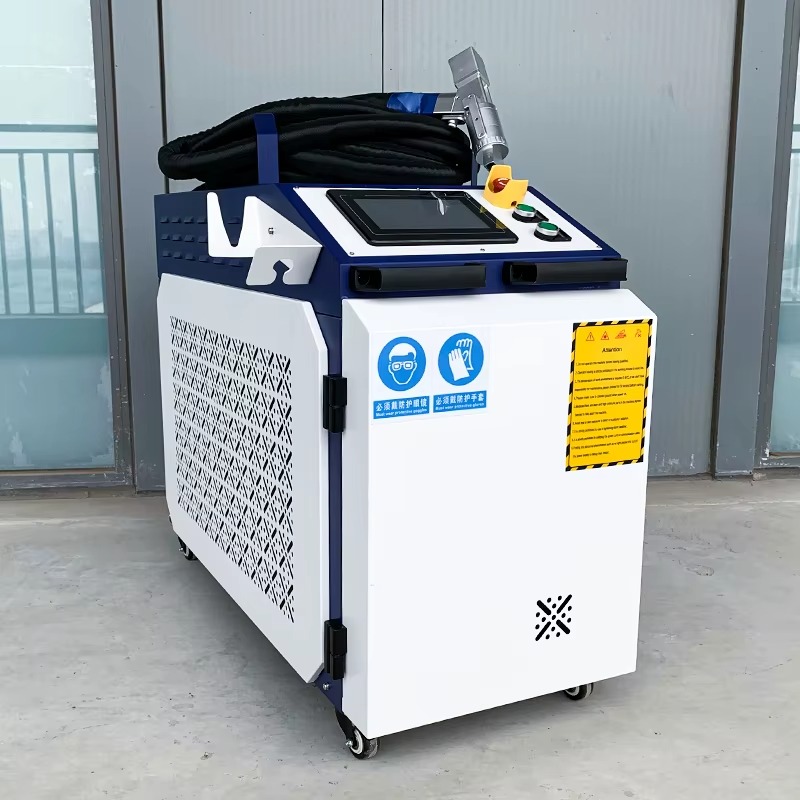
Laser cleaning machine The principle of laser cleaning machines typically involves three parts: vaporization and decomposition, fragmentation and peeling, and vibration and ejection. The principle of laser cleaning machines involves using a high-energy-density laser beam to irradiate the workpiece. Due to the extremely short interaction time, this generates a very high-acceleration explosive impact force, causing
Laser cleaning machine Read More »
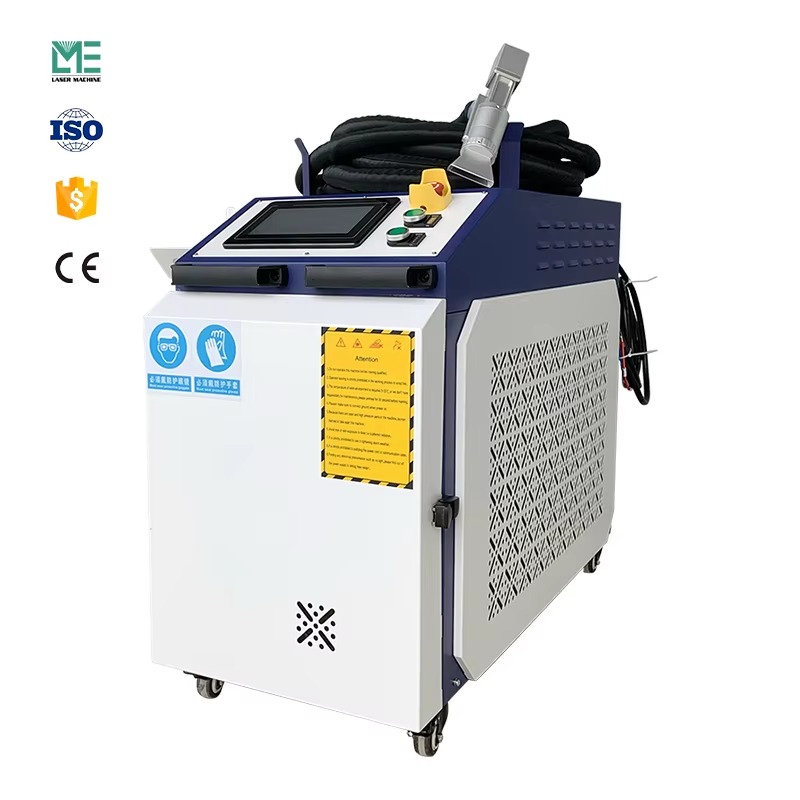
Laser cleaning machine A laser cleaning machine is an advanced device that uses laser technology to remove contaminants from material surfaces. It boasts advantages such as non-contact operation, high precision, and environmental friendliness. The following is a detailed description of this technology: Working principle: 一: Core Mechanisms (ranked by frequency of use) Photothermal effect (most
Laser cleaning machine Read More »
Laser welding machine A laser welding machine is a welding device that uses laser as the main energy source. Laser welding is a process that uses high-energy laser pulses to locally heat a small area of material. The energy of the laser radiation diffuses into the material through heat conduction, thereby melting the material to
Laser welding machine Read More »
Laser cleaning machine Laser cleaning machine is an advanced equipment to remove the surface contaminants ofmaterials by using laser technology.It has the advantages of non-contact, high precision andenvironmental protection. Main Components of Laser Cleaning Machine 1. Laser: Core Component .Commonly Used Pulse Fiber Lasers (Mainstream, High Efficiency, Good Beam Quality, Maintenance-Free)。2. Scanning mirror system: The
Laser cleaning machine Read More »
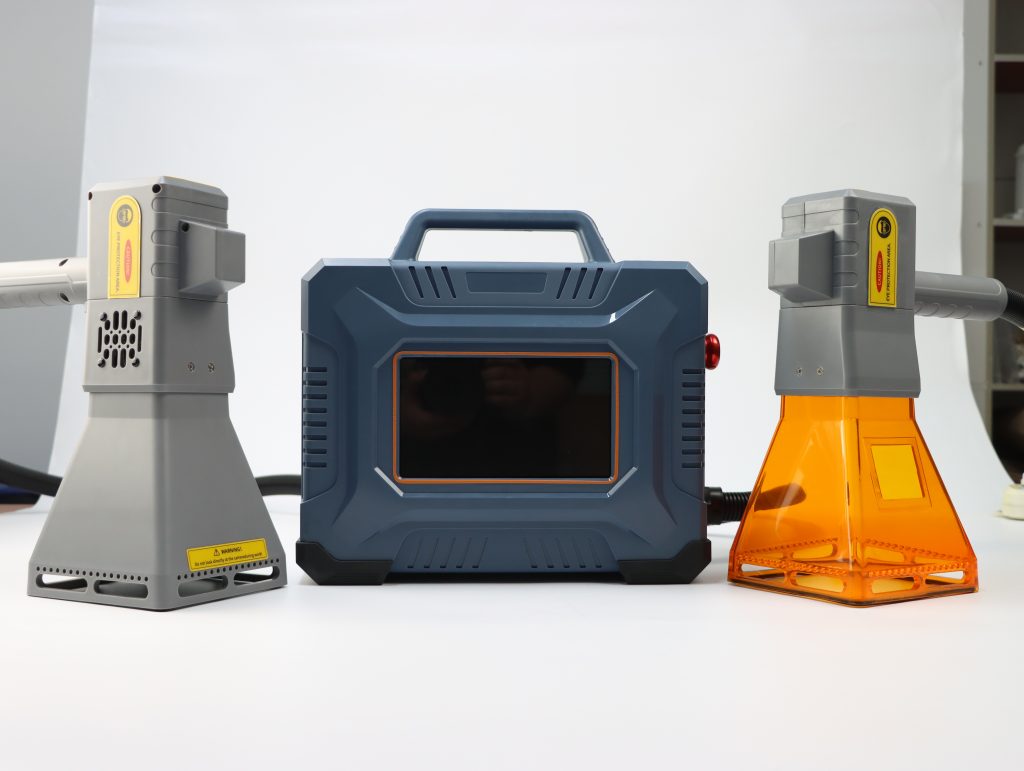
Know Laser marking machine OVERVIEW Lasing Marking Machines are device that uses a laser beam to permanently mark various materials. The marking effect is achieved by evaporating the surface layer of the material, revealing the underlying layer, and thus creating exquisite patterns , logos and text.Laser marking machines can be classified into : CO2 laser
Know Laser marking machine Read More »
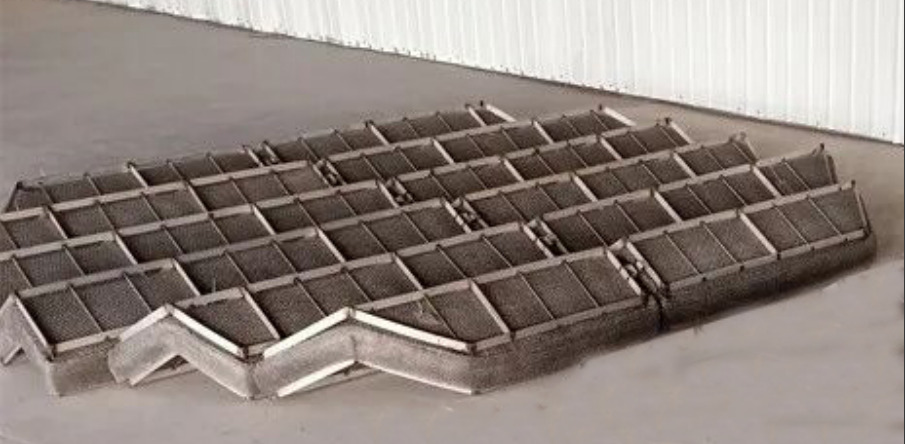
corrugated wire mesh demister Wire mesh demisters are important components in chemical gas-liquid separation equipment, consisting of a gas-liquid filter screen and supporting components. The gas-liquid filter screen is typically woven from microfilaments using a knitting-like (warp knitting) method. Common metallic materials include SS304, SS316L, titanium alloys, nickel-based alloys, and Hastelloy, while non-metallic materials include
corrugated wire mesh demister Read More »