Sintered Stainless Steel Filter Plate
Sintered Stainless Steel Filter Plate Read More »
 Skip to content
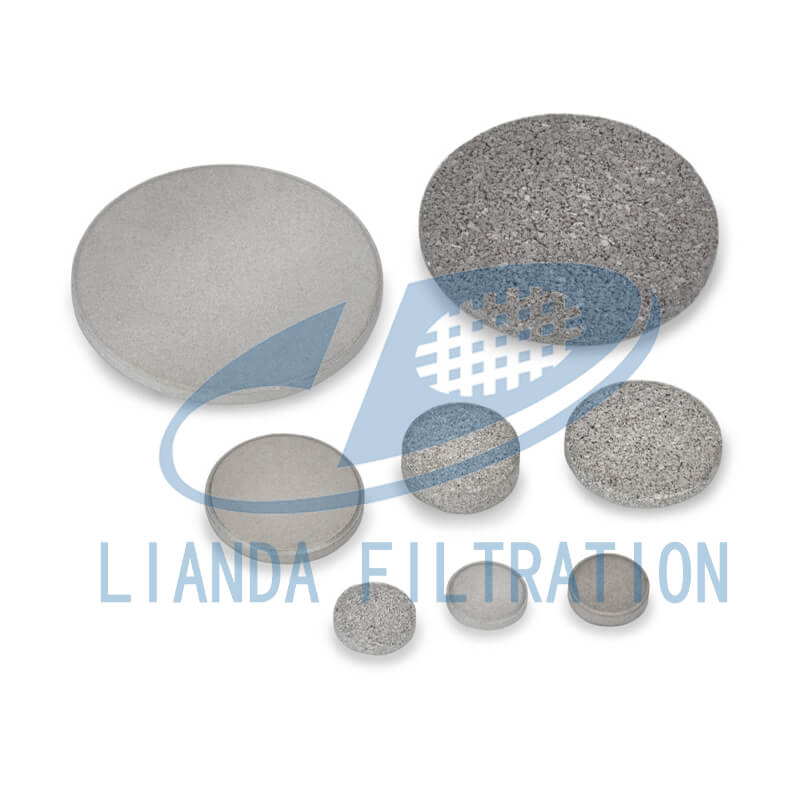
Porous metal disc A porous metal disc (often called a porous metal filter disc/sintered filter) is a circular metal component with interconnected micropores inside. It is primarily used for precision filtration, gas-liquid distribution, catalysis, and heat dissipation I. Main Materials – Stainless steel (most commonly used): 304, 316L (acid and alkali resistant, high temperature resistant,
Porous Metal Tube A porous metal tube is a tubular porous material produced by sintering metal powders or fibers. Its walls feature a uniform distribution of numerous microscopic pores, allowing gases or liquids to pass through while simultaneously retaining solid particles. Key Features · Combines the high strength, high-temperature resistance, and corrosion resistance of metals
In manufacturing sectors such as fluid filtration, noise reduction, powder transport piping, and aerospace, metal tubes serve as critical components that combine structural integrity with filtration capabilities; consequently, their application across various fields is becoming increasingly widespread. Unlike traditional closed-wall tubing, these metal tubes achieve specific functions—such as fluid passage, solid particle retention, or pressure
The Ideal Choice for Precision Filtration and Structural Support Read More »
Porous Metal Disc A porous metal disc is a circular, disc-shaped object fabricated from metallic materials—such as stainless steel, bronze, or nickel—through processes such as powder metallurgy and sintering, featuring an internal structure of either interconnected or closed pores. Its defining characteristic is high porosity, combining the inherent strength of metal with the functional capabilities
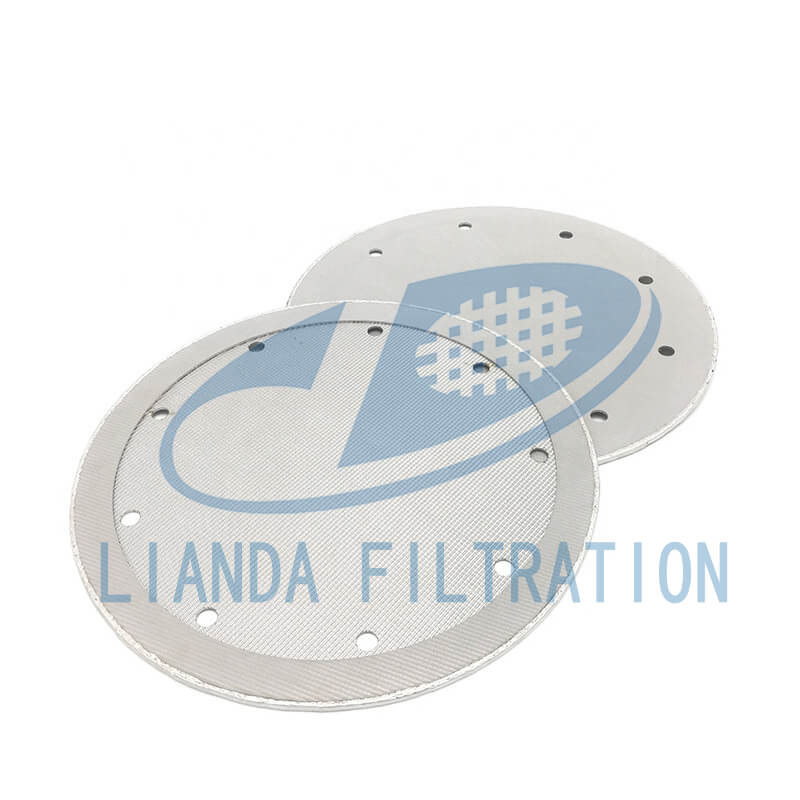
Porous Metal Filter Discs There are two main types of porous metal filter discs ,which commonly used:one is a powder sintered material filter disc ,and another is a perforated plate filter disc. Ⅰ.Materials Stainless steel (most commonly used):304 ,316 L (acid/alkali resistant,high-temperature resistant,general-purpose)-Special alloys:Hastelloy,Inconel,Monel (for highly corrosive/ultra-high temperature environments)-Pure metals:Nickel,titanium ,copper (specifically designed for corrosion
Porous Metal Filter Discs Read More »
Steam Filter Housing In any industrial steam system, clean steam serves as the cornerstone of efficiency, safety, and product quality. The first—and most critical—line of defense in safeguarding this foundation is the steam filter. Within this assembly, while we often focus on the fineness of the filter screen, we frequently overlook a vital component: the
An In-Depth Analysis of Steam Filter Housings Read More »
Hastelloy Mesh Hastelloy wire mesh is a functional filtration material produced from nickel-based alloy wire through various weaving techniques, such as plain weave, twill weave, and Dutch weave.Furthermore, this type of woven mesh can serve as a foundational layer to be sintered in combination with multiple other layers, thereby creating a multi-layer sintered mesh. Leveraging
Nickel-Chromium Alloy Mesh Nickel-chromium alloy (NiCr), as a classic functional metal material, enjoys an irreplaceable position in modern industry due to its excellent mechanical strength, high-temperature stability, oxidation resistance, and corrosion resistance. The nickel-chromium alloy mesh produced by weaving the nickel-chromium alloy wire combines the excellent properties of the wire material with the structural advantages
Nickel-chromium alloy mesh Read More »